The Transformative Impact of AI and Agentic Commerce on the Retail Landscape
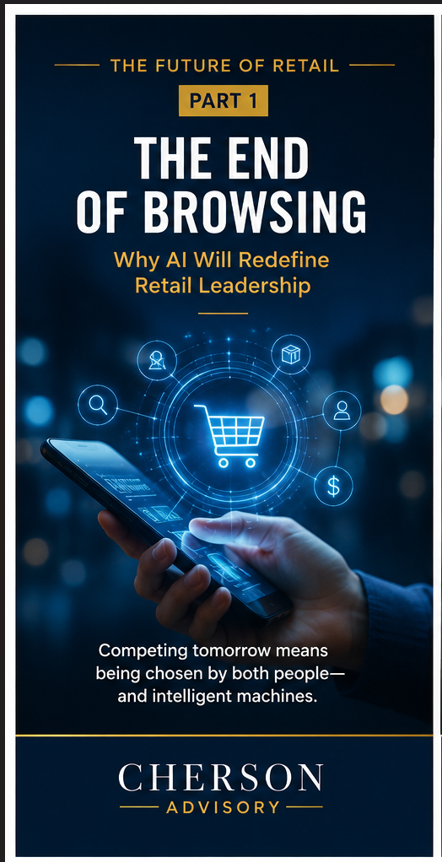
Artificial intelligence is no longer just a tool for improving retail operations. It is reshaping how consumers interact with brands and make purchasing decisions. The rise of AI-powered retail and agentic commerce marks a significant change in the shopping experience, moving beyond traditional e-commerce to a model where AI assistants act on behalf of consumers. This shift is poised to redefine retail in ways comparable to the impact of e-commerce twenty-five years ago.

How AI Changes Consumer Discovery and Evaluation
Consumers no longer need to browse multiple websites or read countless reviews to find the right product. AI assistants can quickly gather and compare options based on user preferences, past behavior, and real-time data. These assistants:
Understand natural language queries, making it easier for consumers to express what they want.
Analyze product features, prices, and availability across numerous retailers.
Provide personalized recommendations that consider individual tastes and budget constraints.
For example, a consumer looking for a new laptop can ask an AI assistant to compare models based on performance, price, and brand reputation. The assistant can then present a shortlist tailored to the consumer’s needs, saving time and effort.
Agentic Commerce: AI as the Consumer’s Proxy
Agentic commerce takes AI’s role further by enabling assistants to negotiate deals and complete purchases autonomously. Instead of just suggesting products, AI acts as an agent that can:
Negotiate prices or bundle offers with retailers.
Handle payment and delivery arrangements.
Manage returns or exchanges if needed.
This approach benefits both consumers and retailers. Shoppers gain convenience and potentially better deals, while retailers receive more qualified leads and streamlined transactions. For instance, some AI platforms already negotiate discounts on behalf of users, ensuring they get the best value without manual intervention.
Implications for Retailers and Business Leaders
Retailers must adapt to this new model by integrating AI capabilities that support agentic commerce. Key considerations include:
Data integration: Retailers need real-time access to inventory, pricing, and promotions to enable AI assistants to provide accurate information.
API connectivity: Seamless communication between AI platforms and retail systems is essential for smooth transactions.
Customer trust: Transparency about how AI uses data and makes decisions will build consumer confidence.
Personalisation: Offering tailored experiences will differentiate brands in a market where AI agents handle much of the shopping process.
Retailers who embrace these changes can expect increased customer engagement and loyalty. Those who resist risk losing market share as consumers gravitate toward brands that support AI-driven convenience.

Preparing for the Future of Retail
Business leaders should consider the following steps to prepare for the rise of AI and agentic commerce:
Invest in AI technology: Explore partnerships with AI providers that specialize in retail applications.
Train teams: Equip staff with skills to manage AI tools and interpret data insights.
Focus on customer experience: Use AI to enhance, not replace, human interaction where it adds value.
Monitor trends: Stay informed about evolving consumer behaviors and AI capabilities.
By proactively adapting, companies can position themselves as leaders in the next phase of retail evolution.
The rise of AI-powered retail and agentic commerce represents a fundamental shift in how consumers shop. AI assistants are becoming trusted partners that simplify discovery, evaluation, and purchasing. Retailers that integrate these technologies thoughtfully will unlock new opportunities for growth and customer satisfaction. The future of retail is not just digital; it is intelligent and agent-driven. Business leaders who recognise this will shape the market for years to come.


Comments